Inspect
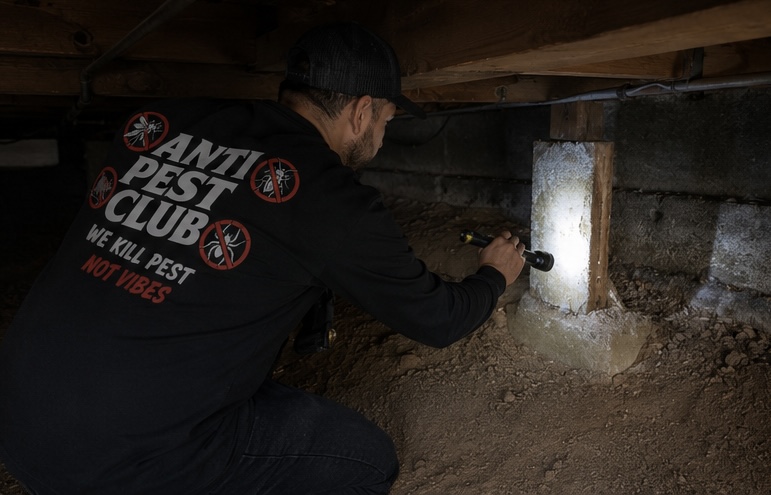
We walk the property, identify rodent pressure points, moisture issues, and access routes that keep the problem alive.
Service
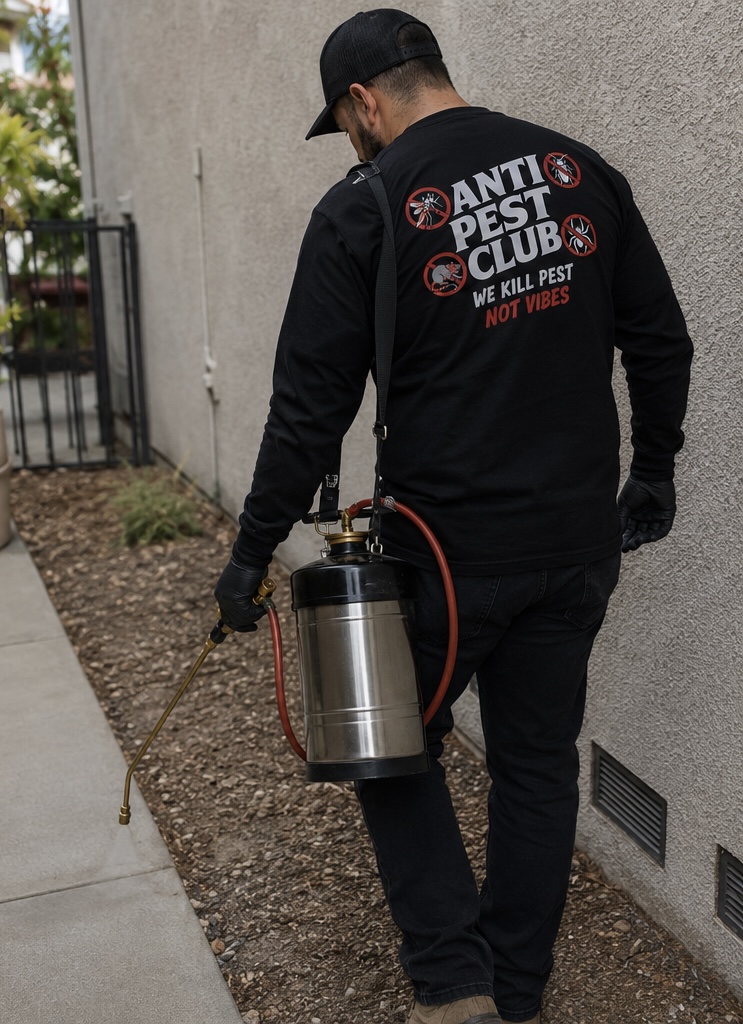
Rats and mice use roof lines, garages, and utility gaps to settle in. Our rodent control combines inspection, activity control, and exclusion-minded recommendations so residential and managed properties stay protected.
Why it matters
Rodents contaminate storage, chew materials, and create inspection red flags during sales or tenant turnover. Stopping activity without sealing access usually means a quick return.
What we can do
What to look for
How to
Our process
We walk the property, identify rodent pressure points, moisture issues, and access routes that keep the problem alive.
We apply a targeted plan for the infestation level, property type, and timeline — including residential, real estate, and property management needs.
We explain prevention steps, follow-up expectations, and repair options when damage or dry rot is part of the job.
Questions and answers
Public-health and university IPM guides treat exclusion and sanitation as equal partners with population control. If gaps, food, and nesting sites remain, new rodents move into the same routes. Lasting results need activity control plus sealing and cleanup priorities.
Mice can exploit openings around a quarter-inch; young rats need only about a half-inch. That is why door sweeps, utility penetrations, roof transitions, and garage seals matter as much as traps.
Rarely for a lasting fix. Trapping reduces the current population; exclusion (“building them out”) stops the next wave. We identify likely access so you know what to prioritize.
Indoor baiting can leave animals dying in walls or attics and create odor or secondary risks if used incorrectly. Many situations are better handled with inspection-led trapping and exclusion planning. Ask us what fits your property before placing indoor toxicants.
Seal pet food and bird seed, secure trash, clear fallen fruit, and reduce clutter in garages and attics. Rodents ignore control tools when an easier food source stays available.
Yes. Droppings, gnawing, nesting material, and chewed pathways are common inspection notes. Early control and clear documentation help real estate and escrow timelines.
Often yes. Climbing roof rats pressure attic and upper transitions; ground-focused species pressure lower gaps and yards. Inspection of travel routes guides where we focus control and exclusion advice.
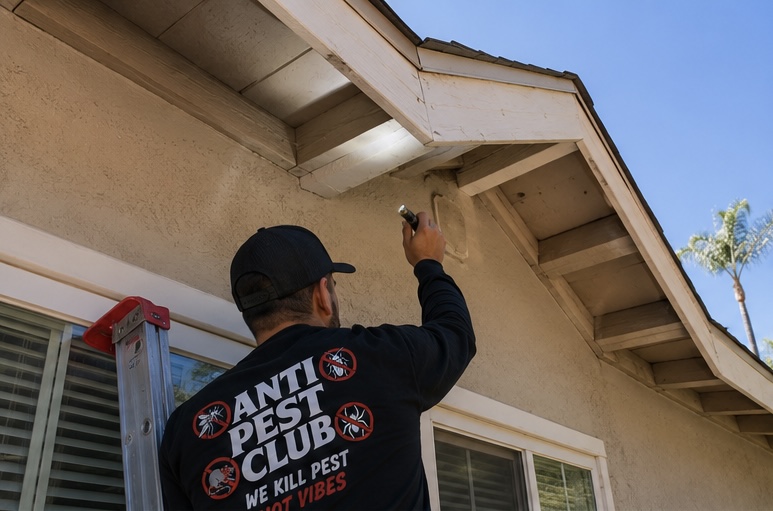
Yes. We look at attic, garage, roof lines, vents, and ground-level penetrations so you leave with a practical list of gaps and attractants — not just a one-time trap setup.
Yes. Shared walls, trash areas, and landscaping create building-wide pressure. Managers need consistent plans and resident-facing notes when multiple units report activity.
Avoid dry sweeping that stirs dust. Ventilate if possible, use protective gloves, wet-clean contaminated surfaces with an appropriate disinfectant, and bag waste for outdoor disposal. Ask us on-site if you find heavy attic or crawlspace contamination.
Who this helps
Whether you own the home, manage a portfolio, or need the property inspection-ready for a sale, we keep findings clear and next steps practical — including repair estimates when damage or dry rot is part of the job.