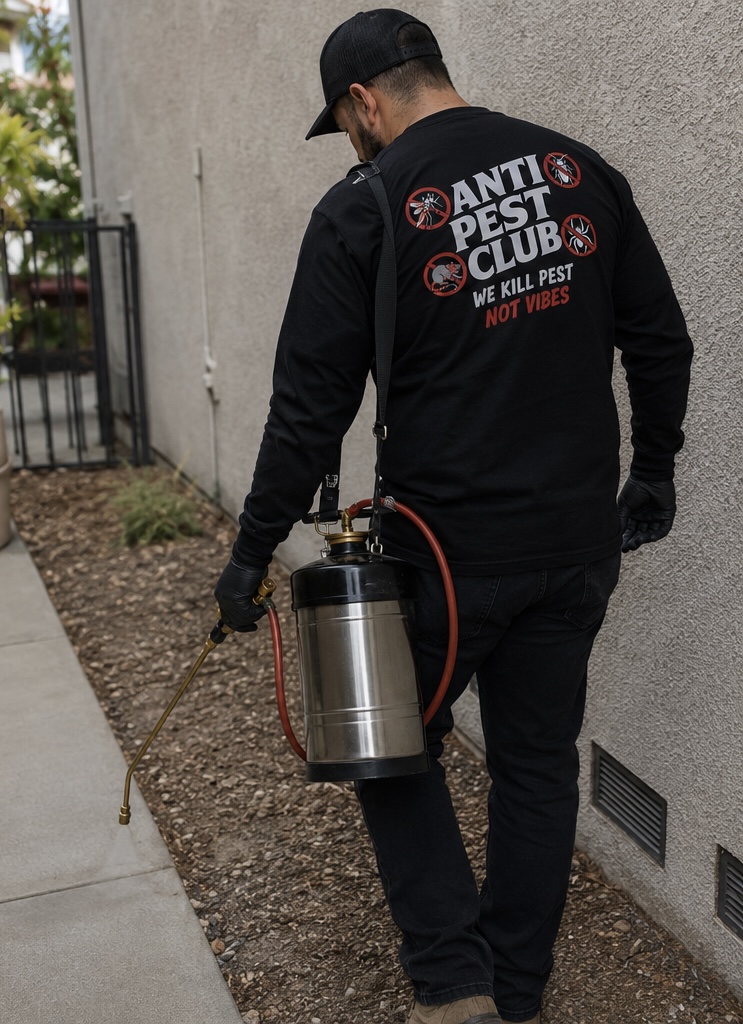
Inspect
We walk the property, identify termite pressure points, moisture issues, and access routes that keep the problem alive.
Riverside County · Corona
Termite Control in Corona — local termite pest control and termite exterminator service for residential homes, real estate and escrow transactions, and property management. Termites quietly damage framing, subfloors, and finish wood. Our termite work starts with careful inspection, then a treatment plan that protects the structure and supports real estate or escrow documentation when needed.
Why it matters
Termite activity can delay closings, surprise buyers, and escalate repair costs. Early detection and clear reporting protect the property and the transaction.
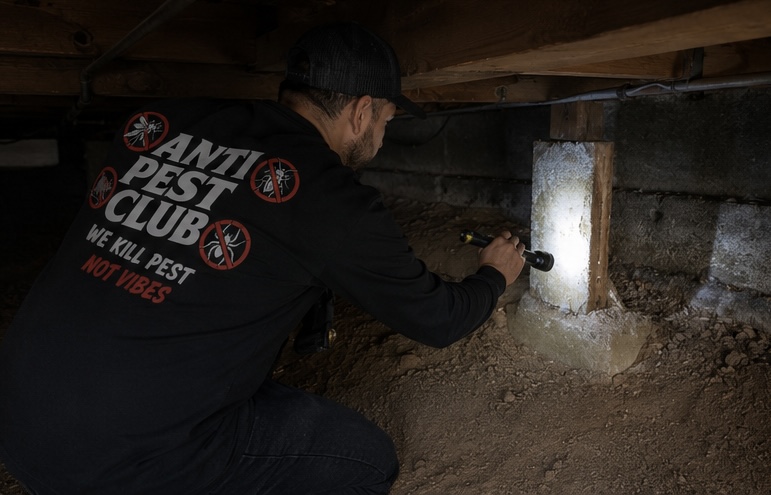
What we can do
What to look for
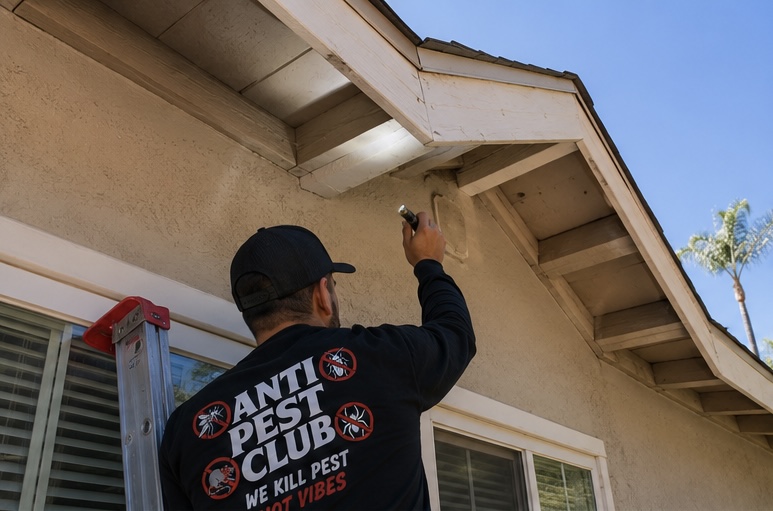
How to
Our process
We walk the property, identify termite pressure points, moisture issues, and access routes that keep the problem alive.
We apply a targeted plan for the infestation level, property type, and timeline — including residential, real estate, and property management needs.
We explain prevention steps, follow-up expectations, and repair options when damage or dry rot is part of the job.
Questions and answers
No. A wood-destroying organism or termite inspection is a specialized look for termites and related conditions. A general home inspection covers systems and visible defects but is not a substitute for a dedicated termite evaluation when a sale or lender requires one.
Yes. We support residential sales, refinances, and property managers who need clear findings, conducive-condition notes, and practical next steps agents can use in negotiations.
Active infestation usually triggers a treatment plan and documentation before many lenders will fund. Sellers and buyers often negotiate timing and cost; our role is clear findings and a path to treat and, when needed, repair damaged wood.
No. Evidence and species guide the approach. Subterranean activity often ties to soil contact and moisture pathways; drywood signs may appear in framing or finish wood without the same ground connection. Inspection determines the right plan for the property.
They are property conditions that make infestation more likely — wood-to-soil contact, chronic moisture, poor drainage, or clutter against the foundation. Addressing those issues supports treatment and helps slow future pressure.
Treatment stops active pests; damaged framing or finish wood may still need repair. We can coordinate damage repair or dry rot repair estimates so the structure is protected and presentable, not only treated.
Soon. Termites continue feeding while reports sit unread, and escrow deadlines often depend on documented treatment or repair plans. Early scheduling protects both the building and the transaction.
DIY products rarely match the access, equipment, and labeled methods used for whole-structure protection. Misapplied products can also complicate later professional work. For sale-related or structural concerns, licensed inspection and treatment is the safer route.
Prior treatment evidence is common in older homes. What matters for most transactions is whether activity is active now, whether damage needs repair, and whether documentation is clear. We help separate history from current risk.
Managed portfolios benefit from scheduled inspections in higher-risk structures, especially where moisture history or prior findings exist. Catching activity early is far cheaper than emergency repair during turnover or a sale.
Who this helps
Whether you own the home, manage a portfolio, or need the property inspection-ready for a sale, we keep findings clear and next steps practical — including repair estimates when damage or dry rot is part of the job.